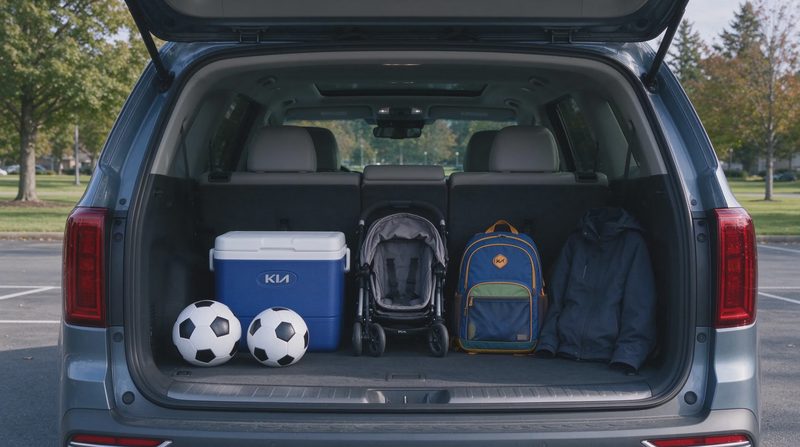
Brochure cargo numbers look tidy. Real family loads do not. A Costco run produces cases of water, bulk paper goods, and a few items that refuse to stack neatly. Soccer practice adds muddy bags, folding chairs, and a cooler. A stroller has to slide in without a wrestling match. Weekend gear for even a short trip can include a pack-and-play, a dog crate, or a roof-box overflow. The Telluride is bought by families who expect it to absorb these loads without forcing constant tetris or leaving essential items behind.
This article focuses on how the available space behaves with the third row up and folded, what loading habits reduce friction, and where the practical limits appear. It does not invent measured test results or claim universal capacity. Cargo outcomes depend on the exact items, how the seats are configured, and whether a roof box or hitch carrier is part of the system.
Third Row Up: The Daily Default
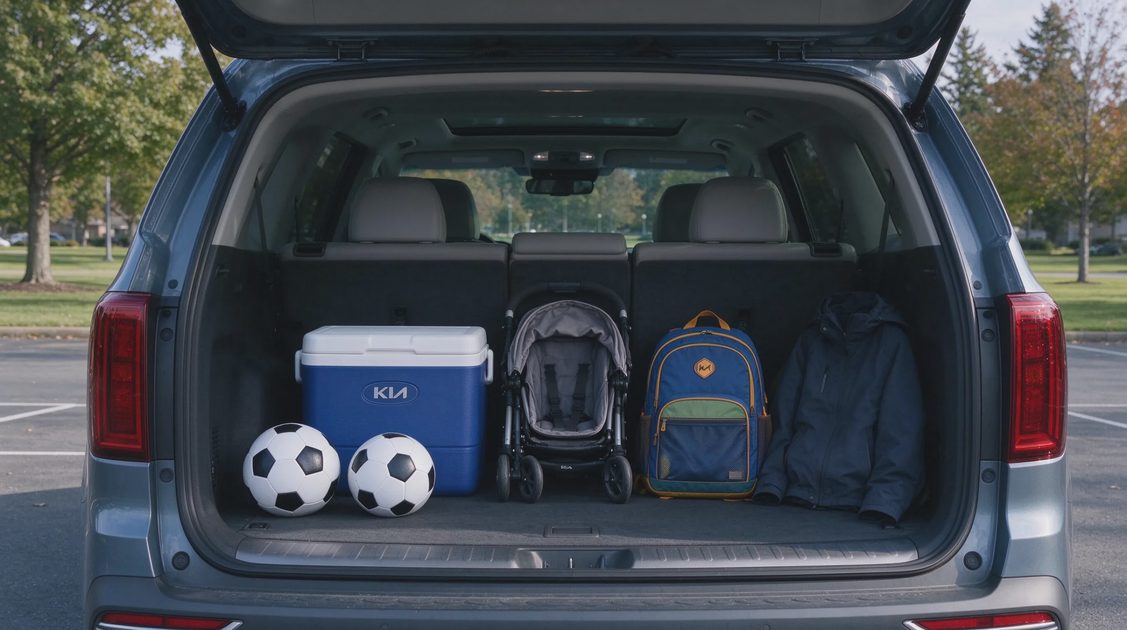
Most families leave the third row up during the week because an extra passenger can appear without warning. With the third row upright the volume behind it is the true daily cargo space. That space is adequate for a modest grocery load, a couple of backpacks, and a compact stroller if the stroller folds small and is loaded carefully. It is not generous once bulk items appear.
Cases of water or soda, large packs of paper towels, and a mid-size cooler will quickly consume the floor and stack into the space where a second stroller or a set of folding chairs would otherwise go. Families who regularly shop in bulk learn to place heavier items low and forward, reserve the upper space for lighter bags, and accept that some trips will require folding one section of the third row. The liftgate opening is wide enough for most household items, but the depth is the limiting factor when the third row stays up.
Folding the Third Row for Bigger Loads
Folding the third row transforms the Telluride into a far more capable cargo vehicle. The expanded floor length accepts a full-size stroller without awkward angles, multiple soccer bags side by side, and the kind of Costco haul that includes both perishables and bulky household goods. Many owners treat the folded position as the weekend or big-shop default and only raise the third row when passengers require it.
The fold process itself should be quick and one-handed if the seats are designed well. Power-folding mechanisms, when equipped, reduce the chance of dirty hands or strained backs after a sports practice. Manual levers need to be easy to reach and consistent from side to side. Once folded, the floor should be relatively flat so that boxes and soft bags sit without tipping. Any remaining gap or step between the second-row seatbacks and the cargo floor becomes a place where small items migrate and get lost.
Costco and Bulk Shopping Reality
A typical Costco trip for a family of four or five produces a mix of rigid and soft items that do not nest efficiently. Water cases are dense and low. Paper goods are light but voluminous. Produce and refrigerated bags need to stay upright and accessible. With the third row up, many families find they must leave some items for a second trip or place bags on the second-row floor in front of child seats—an arrangement that is workable only if the seats are not occupied.
With the third row folded, the same load usually fits in one pass. The practical technique is to load the heaviest and most stable items first, against the second-row seatbacks, then stack lighter bags and produce toward the liftgate. A simple cargo net or bungee system keeps soft bags from tumbling when the vehicle accelerates or brakes. Owners who shop this way weekly develop a fixed loading sequence that shaves minutes off every trip and reduces the chance of crushed bread or spilled berries.
Soccer, Sports, and Muddy Gear
Youth sports generate gear that is both bulky and dirty. Soccer bags, cleat bags, folding sideline chairs, a cooler, and sometimes a small canopy or tent must share space without transferring mud and grass onto clean seats or groceries. A durable cargo liner or a set of washable mats becomes almost essential. Without it, the carpet absorbs the mess and the interior begins to smell like a locker room.
The Telluride’s cargo opening accepts most sports bags without requiring them to be stood on end. Chairs and coolers fit more easily when the third row is folded. Families who alternate between kid-carrying and gear-carrying days often leave a collapsible barrier or a dedicated gear bin in the cargo area so that dirty items stay isolated. Cleats and wet uniforms should travel in separate waterproof bags; otherwise the rest of the cargo becomes collateral damage.
Strollers and Child-Related Equipment
Strollers vary enormously in folded size. A compact umbrella stroller slides into the space behind an upright third row with little drama. A full-size jogging stroller or a double stroller usually requires the third row to be folded or at least one section dropped. Pack-and-plays, portable cribs, and large diaper bags add further volume on longer outings.
The most efficient approach is to measure or test the folded stroller in the actual vehicle before relying on it for daily use. Once the preferred stroller is confirmed to fit, assign it a fixed orientation and location so that loading becomes automatic. Families who also carry a portable high chair or a large diaper caddy quickly learn that the third row must be folded more often than the brochure photos suggest. Roof storage can help, but only for items that are weather-tolerant and not needed mid-trip.
Weekend and Short-Trip Gear
A weekend away with children multiplies the cargo list: clothing duffels, a pack-and-play, toiletries, snacks, a cooler, and often a dog crate or pet barrier. With the third row folded the Telluride can absorb a surprising amount of this gear, especially if soft bags are used instead of rigid suitcases. Soft bags compress and fill irregular spaces; hard cases create wasted air pockets.
Roof boxes or hitch-mounted carriers become useful once the passenger count requires the third row to stay up. A quality roof box keeps bulky but light items (sleeping bags, jackets, extra blankets) out of the main cabin. Hitch carriers handle denser loads but affect rear access and may require removal for certain parking structures. Either system should be loaded with weight distribution and rear visibility in mind. Weekend packing is smoother when the family maintains a short written checklist so that the same items are not rediscovered at the last minute every trip.

Loading Habits That Reduce Daily Friction
Consistent habits matter more than maximum theoretical volume. Keep a washable cargo liner in place if sports or pets are regular. Store a small step stool or bumper protector if shorter family members load the roof box. Use packing cubes or labeled bins so that groceries, sports gear, and overnight items do not mix. Teach older children a simple loading routine so the process does not fall entirely on one adult.
Power liftgates and hands-free openers earn their keep when both hands are full. Interior cargo hooks and tie-downs help secure oddly shaped items. A compact battery-powered tire inflator and a basic tool kit stored in a side compartment prevent minor issues from becoming trip-ending problems. These small systems turn the cargo area from a random pile into a predictable workspace.
Knowing the Practical Limits
Even with the third row folded, the Telluride is not a full-size van or a pickup bed. Extremely long items, multiple large strollers, or a combination of a full Costco run plus full sports gear plus a large dog crate will exceed comfortable capacity. In those cases families either make two trips, use a roof or hitch carrier, or accept that some items stay home. Recognizing the limit early is better than forcing a load that blocks rear visibility or prevents the liftgate from closing cleanly.
The Telluride rewards families who treat cargo management as a design problem rather than a daily surprise. With the third row up it handles ordinary errands and a modest amount of gear. With the third row folded it becomes a capable weekend and bulk-shopping vehicle. The difference between frustration and smooth operation usually comes down to configuration choices, a few protective accessories, and repeatable loading habits rather than any single cubic-foot claim.


