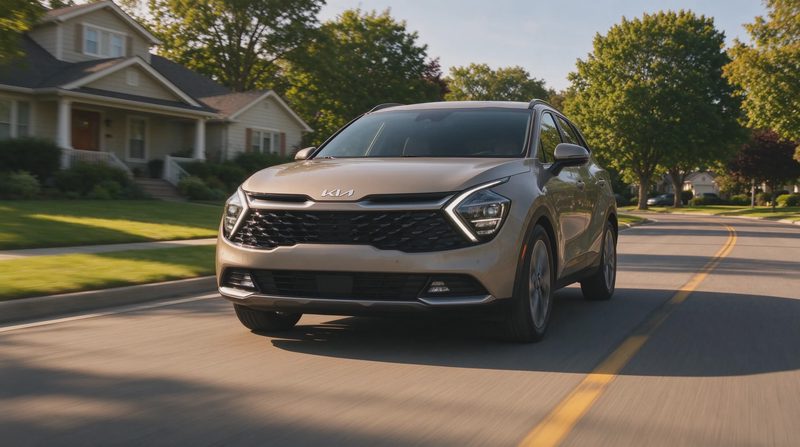
Family road trips in a Kia—whether a Telluride, EV9, Sportage, or Sorento—succeed or fail on preparation more than on the vehicle itself. Space that looked generous in the driveway fills up fast once child seats, a stroller, a cooler, and overnight bags are loaded. Charging or fuel stops that seemed trivial on a map become stressful when children are hungry and the next reliable stop is farther than expected. Snacks that worked at home create crumbs and spills at seventy miles an hour. The difference between a manageable trip and a strained one is usually a short list of deliberate choices made before the driveway.
This checklist focuses on the practical order of operations that keeps the vehicle usable, the passengers fed, and the schedule realistic. It does not invent range or cargo figures. Every family’s load and route differ; the goal is a repeatable process that surfaces problems early rather than at a rest area with no open restaurants.
Start With a Honest Cargo Plan
Before any bag is packed, decide which seats must remain usable. If the third row is needed for passengers, cargo is limited to the space behind it. If the third row can stay folded, the load capacity increases dramatically. Measure or test the largest rigid items—stroller, pack-and-play, dog crate—against the chosen configuration. Soft duffels compress; hard cases do not. Assign each major item a location so that loading becomes a sequence rather than a puzzle.
Roof boxes and hitch carriers expand capacity but add their own constraints. A roof box must be rated for the vehicle’s roof load and loaded with weight distribution in mind. Hitch carriers can block rear access and may need removal for certain parking structures or ferries. If either system is part of the plan, practice loading it once at home so that the first highway rest stop is not the learning experience. Keep a short written inventory of what lives where; it prevents the “we left the white bag at home” moment two hours down the road.
Map Charging or Fuel Stops With Margin
Gas models need only conventional station planning, but the stops still require restrooms, food options, and enough space to let children move. Electric models add the need for compatible chargers at usable power levels. Build the route with realistic energy consumption rather than best-case range. Cold weather, highway speeds, headwinds, and cabin heating all reduce the distance between charges. Plan arrivals at chargers with a reserve so that a failed station or a queue does not create an immediate problem.
Use the vehicle’s navigation or a trusted third-party app to confirm charger status and connector type before departure. Note which stops have indoor waiting areas, restrooms, and food within a short walk. Families with young children benefit from chargers located near larger travel centers rather than isolated stalls in empty lots. For hybrid or gas models, the same logic applies to fuel stops: choose stations that allow a quick meal or bathroom break without detouring far from the route.
Pack Food That Survives the Vehicle
Snacks and meals must tolerate temperature swings, vibration, and limited cleanup options. Avoid foods that melt, crumble into permanent carpet stains, or require utensils that will be lost under seats. Prefill water bottles and keep a small trash bag within reach of the front seats. A soft cooler with ice packs handles yogurt, cheese, and fruit for the first half of the day; after that, rely on shelf-stable options or planned stop purchases.
Children’s preferred snacks should be accessible without unpacking the entire cargo area. A small seat-back organizer or a dedicated snack tote for each child reduces the number of times an adult has to twist into the second row. Hot meals are better obtained at planned stops than prepared in the vehicle. The goal is steady blood sugar and minimal mess, not a full picnic experience at seventy miles per hour.
Manage Climate, Power, and Boredom
Cabin temperature affects both comfort and, on electric models, range. Precondition the vehicle while plugged in when possible. Set a reasonable temperature rather than extreme heat or cooling that forces the system to work harder. Window shades for the second and third rows reduce solar load and help younger passengers nap. Keep a spare USB cable and a small power bank for devices; the vehicle’s ports are useful but can become points of conflict when multiple people need them simultaneously.
Entertainment should be simple and already tested. Downloaded playlists, offline videos, and a few non-electronic options (books, drawing pads, travel games) prevent the “no signal” crisis in rural areas. Headphones reduce noise for the driver. Establish basic rules about volume and screen time before the trip starts so that negotiations do not occur at every rest stop.
Build a Realistic Daily Schedule
Over-optimistic daily mileage is the most common planning error. Young children need more frequent stops than adults. A schedule that looks efficient on paper can become exhausting once bathroom breaks, meal stops, and the occasional car-sickness pause are included. Identify two or three must-reach points each day and treat everything else as flexible. Arrive at the overnight location with enough daylight or energy margin to unload without rushing.
Reserve lodging that allows easy parking and unloading. Confirm any EV charging available at the hotel or nearby before arrival. If the trip includes a mix of driving and destination days, keep the driving days shorter than the maximum the adults could tolerate alone. Fatigue compounds quickly when children are also tired.
Avoid the Mistakes That Repeat
Several errors appear on almost every strained family trip. Packing the vehicle the morning of departure instead of the night before creates preventable stress. Failing to confirm charger or station status in advance turns a routine stop into a scramble. Relying solely on the vehicle’s remaining-range estimate without a buffer leaves no room for detours or weather. Allowing snacks and drinks without a trash and spill plan guarantees a mess that lasts the rest of the journey.
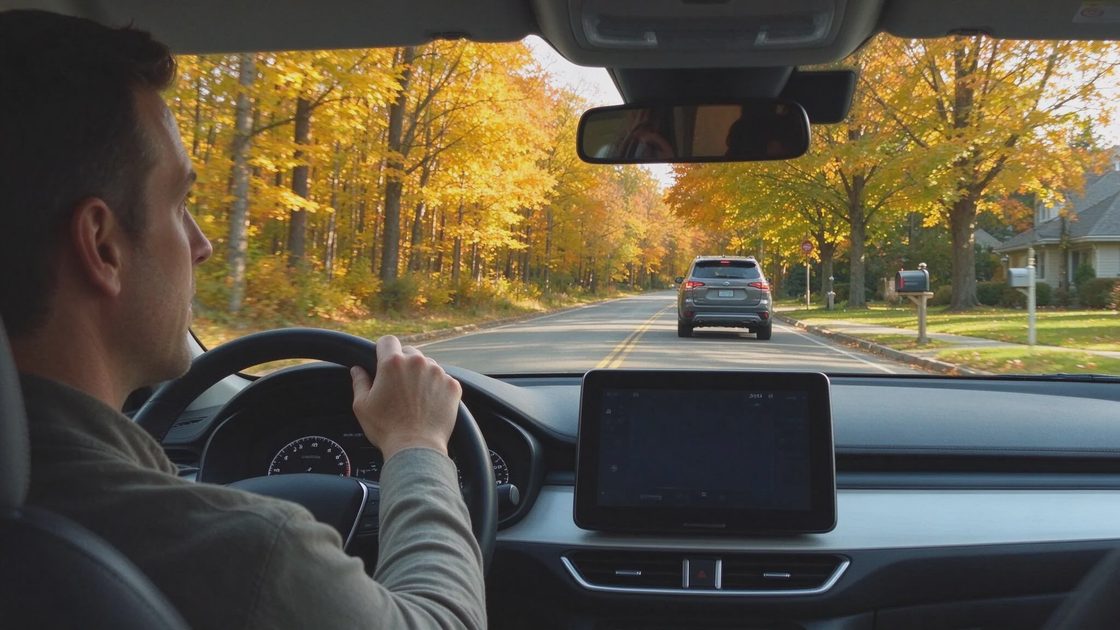
Another frequent mistake is neglecting the driver’s own needs. Dehydration, skipped meals, and continuous decision-making degrade attention. Rotate driving duties if two adults are present. Schedule short walks at stops so that everyone, including the driver, moves. These habits are ordinary and effective; they simply require the same deliberate attention given to the cargo list.
Create a One-Page Checklist That Actually Gets Used
The most useful checklist is short enough to review the night before and the morning of departure. Include the major cargo items, the confirmed charging or fuel stops, the food plan, the entertainment kit, and the overnight confirmation. Assign one adult to verify the vehicle’s tire pressures, fluid levels, and any required app logins before leaving the driveway. Keep a physical copy in the glove compartment so that phone battery or signal problems do not erase the plan.
After the trip, note what worked and what did not. The second family road trip is almost always smoother than the first because the checklist has been refined by experience. The Telluride, EV9, or other Kia becomes a more capable partner when the humans treating it as a family tool have already decided how space, energy, food, and time will be managed. Preparation does not eliminate every surprise, but it keeps the surprises from compounding into the dominant memory of the trip.