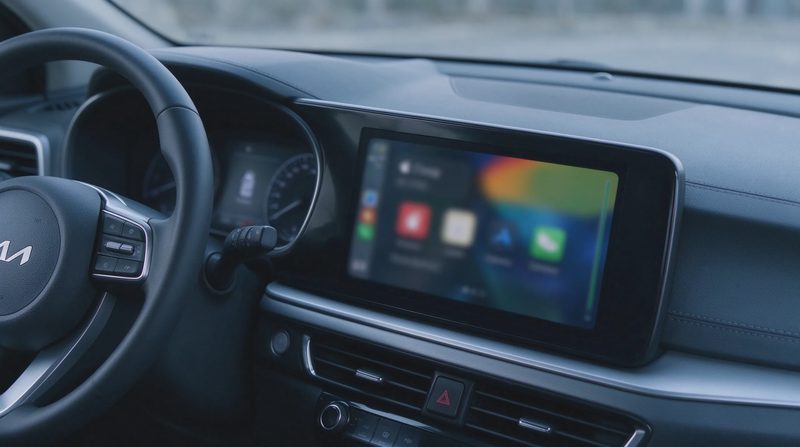
Highway Driving Assist 2 is Kia’s package of adaptive cruise control, lane-centering support, and, under the right conditions, assisted lane changes. It is designed to reduce the steady workload of long highway drives. Marketing language can leave drivers with the impression that the car will handle most of the work. The operational reality is more limited and still requires continuous supervision. A calm, accurate understanding of what the system does and where it steps back lets owners use it as a fatigue-reduction tool instead of a source of false confidence.
This explanation is written for everyday drivers who want a clear mental model rather than a feature brochure. HDA 2 is a Level 2 driver-assistance system. The driver remains fully responsible for the vehicle at every moment. The system can be helpful on well-marked limited-access highways in good conditions; it is not a substitute for attention, judgment, or readiness to take full control.
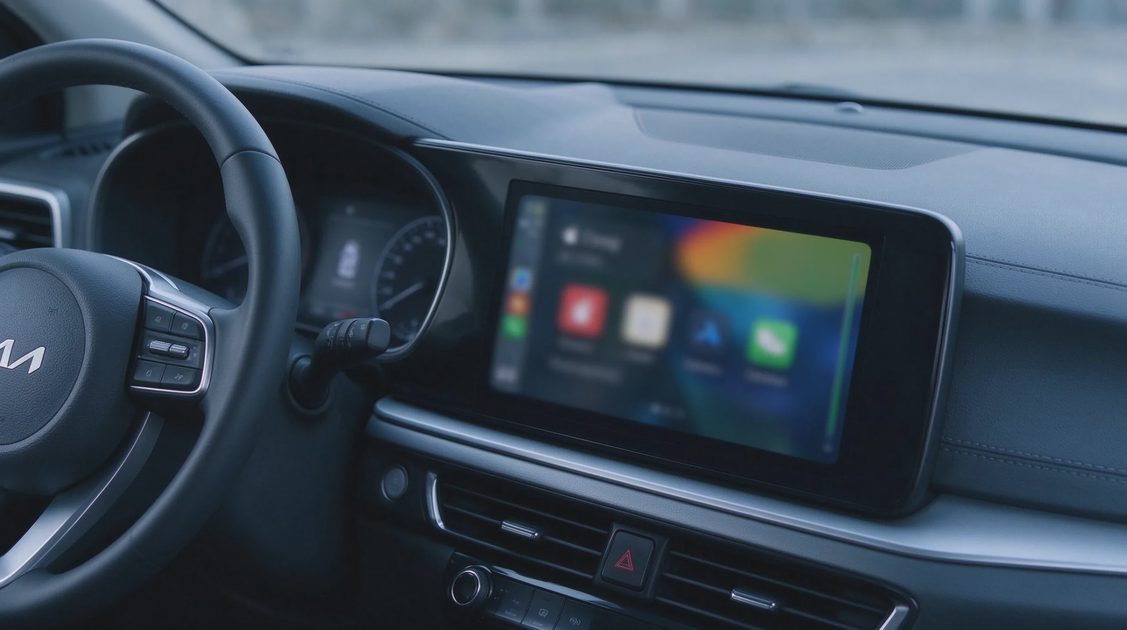
What the System Actually Combines
HDA 2 links three main functions. Adaptive cruise control maintains a driver-set speed and a following distance to the vehicle ahead. Lane-centering provides steering torque to help keep the vehicle near the middle of the detected lane. When the system is active and the driver activates the turn signal, certain versions can provide steering assistance into the adjacent lane if the sensors determine the space is clear.
These functions rely on camera and radar inputs to read lane markings and detect other vehicles. They are intended for limited-access highways with clear, consistent lane lines. When markings are absent, worn, covered by snow or water, or temporarily altered by construction, the steering-support portion of the system can reduce authority or drop out entirely. Speed and distance control may continue, but the driver must immediately supply all steering input.
Continuous Driver Responsibility
HDA 2 does not permit sustained hands-free driving. The system monitors steering-wheel input or, in some configurations, uses a driver-facing camera to confirm that the driver is still engaged. If the driver ignores repeated prompts to hold the wheel or to look forward, the system issues escalating warnings and then disengages. That behavior is intentional.
The driver must also monitor the full traffic environment. The system does not guarantee detection of every stationary object, every sudden cut-in, or every unusual road geometry. Construction zones, abrupt lane shifts, toll plazas, and complex interchanges are common places where support is reduced or withdrawn. Using HDA 2 to lower fatigue on long, predictable freeway stretches is appropriate. Using it as permission to attend to a phone or to stop watching the road is not.
How Lane Centering Behaves on Real Roads
When lane lines are crisp and the road curves gently, the steering support feels smooth and reduces the constant small corrections that produce fatigue on long drives. On tighter curves, or when markings are broken or low-contrast, the system may allow more movement within the lane or may suspend centering until conditions improve. Drivers quickly learn which highway segments keep the system comfortably engaged and which segments produce frequent drop-outs.
The feature is not intended for city streets, two-lane rural roads, or parking facilities. Activating it outside its design domain yields little benefit and generates repeated disengagements. Most owners experience the greatest value on multi-lane interstates and similar controlled-access roads during moderate traffic and clear weather. Outside those conditions the system becomes an intermittent helper rather than a steady partner.
Lane-Change Assistance and Its Boundaries
When lane-change assistance is equipped, the driver still begins the maneuver by moving the turn-signal lever. The system then evaluates the adjacent lane with its sensors. If it judges the gap adequate, it can supply steering support into the new lane. The driver must continue to check mirrors and blind spots; sensor coverage has limits and can be blocked by other vehicles, weather, or road shape.
If the system declines the change, the driver must either complete the maneuver manually or cancel it. Expecting the system to “see” every vehicle or to judge every gap correctly is a common source of surprise. The function is an aid for routine, open-highway lane changes, not a guarantee that every signaled request will be executed automatically or safely without driver oversight.
Conditions That Cause Reduced Support
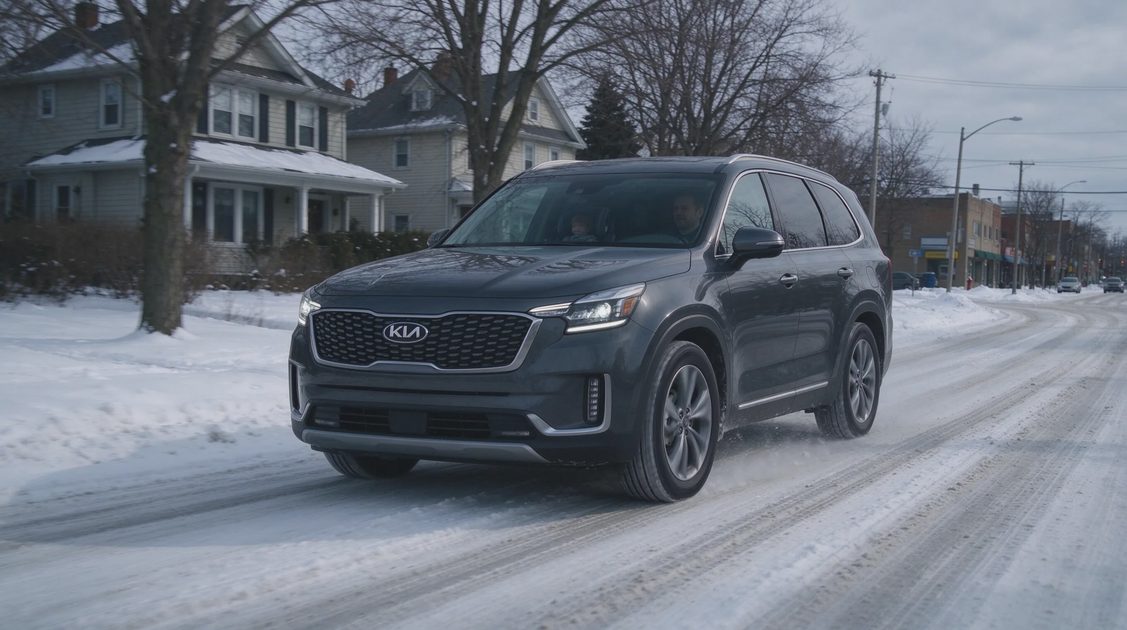
Heavy rain, snow, fog, and low-angle sun can degrade camera performance. Snow-covered or water-covered lane markings reduce the system’s ability to center the vehicle. In these situations HDA 2 may refuse to engage or may disengage after only a short period. Construction zones with temporary lines, shifted lanes, or missing markings are another frequent trigger for reduced support.
Drivers should treat these drop-outs as normal and expected rather than as system failures. The design intent is to return control to the driver whenever confidence falls. Maintaining the same speed, following distance, and attention used without the system prevents a sudden disengagement from becoming a problem. Clean windshields and clear sensor areas improve the odds that the system will stay available when conditions are otherwise suitable.
Habits That Make the System More Useful
Activate HDA 2 only on appropriate highways after confirming that lane markings are visible and traffic is moving predictably. Keep hands on the wheel with enough consistent input to satisfy the attention monitor. Use the system to reduce fatigue on long, monotonous segments, then resume full manual control for exits, merges, and any complex geometry. Keep the camera and radar surfaces free of snow, ice, and heavy dirt.
Software updates can refine engagement thresholds and attention-monitoring behavior. When an update for the driver-assistance suite is available, installing it is generally worthwhile. After the update, spend a few minutes re-acquainting yourself with the new feel of engagement and the timing of attention prompts so that the revised calibration does not produce unexpected warnings.
Matching Expectations to Capability
HDA 2 is an effective Level 2 assistance system that can make highway driving less tiring when the road, weather, and traffic cooperate. It is not an autonomous driving system. It will not manage every traffic situation, every weather condition, or every road type. Drivers who treat it as a fatigue-reduction aid on clear freeways obtain the intended benefit. Drivers who expect it to handle degraded or complex conditions will experience frequent disengagements and potential risk.
The practical rule is simple: use HDA 2 where it is designed to work, remain attentive at every moment, and be ready to drive the vehicle the instant the system reduces or withdraws support. That approach extracts the real value of the technology without placing confidence where the system cannot deliver. When expectations stay aligned with actual capability, Highway Driving Assist 2 becomes a calm, useful partner rather than a source of confusion or over-reliance.
